

Dr. Leena Sripada’s Blog
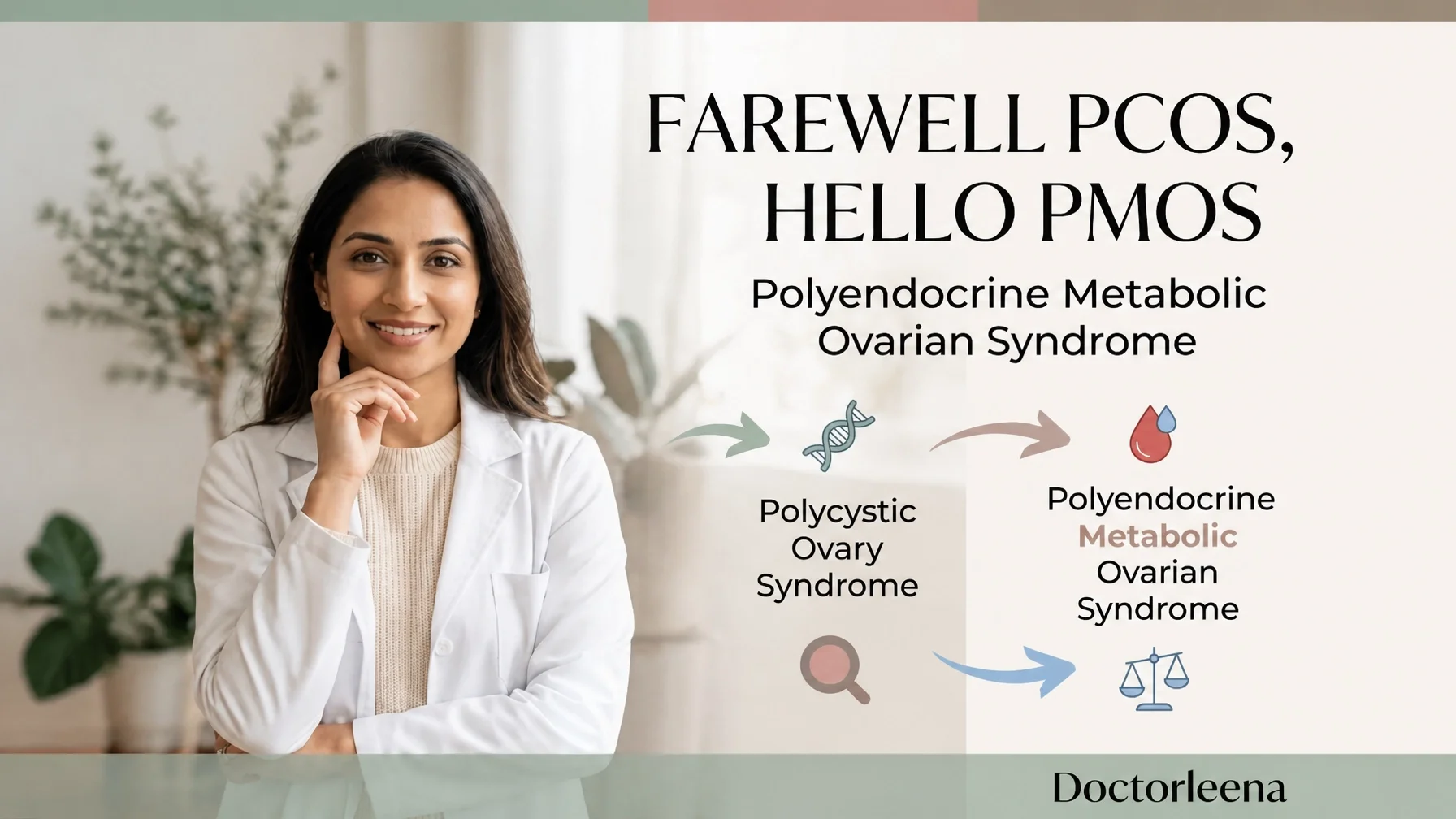
Farewell PCOS, Hello PMOS: a gamechanger in metabolic & hormonal health
Goodbye PCOS, hello PMOS! Learn why the renaming to Polyendocrine Metabolic Ovarian Syndrome is a game-changer for metabolic & endocrine health and how Ayurveda can help.
Have you ever felt like the diagnosis you were given didn't quite tell the whole story? Maybe you were told you had "Polycystic Ovary Syndrome" (PCOS) or PCOD, yet your ultrasounds came back clear of any actual cysts. Or perhaps you’ve been struggling with fertility, fatigue, "stubborn" weight gain, only to be told to "just lose weight" or "take the pill."
If you’ve felt that the label PCOS was a bit of a mismatch for your lived experience, you are not alone. In fact, the medical community has finally caught up to you.
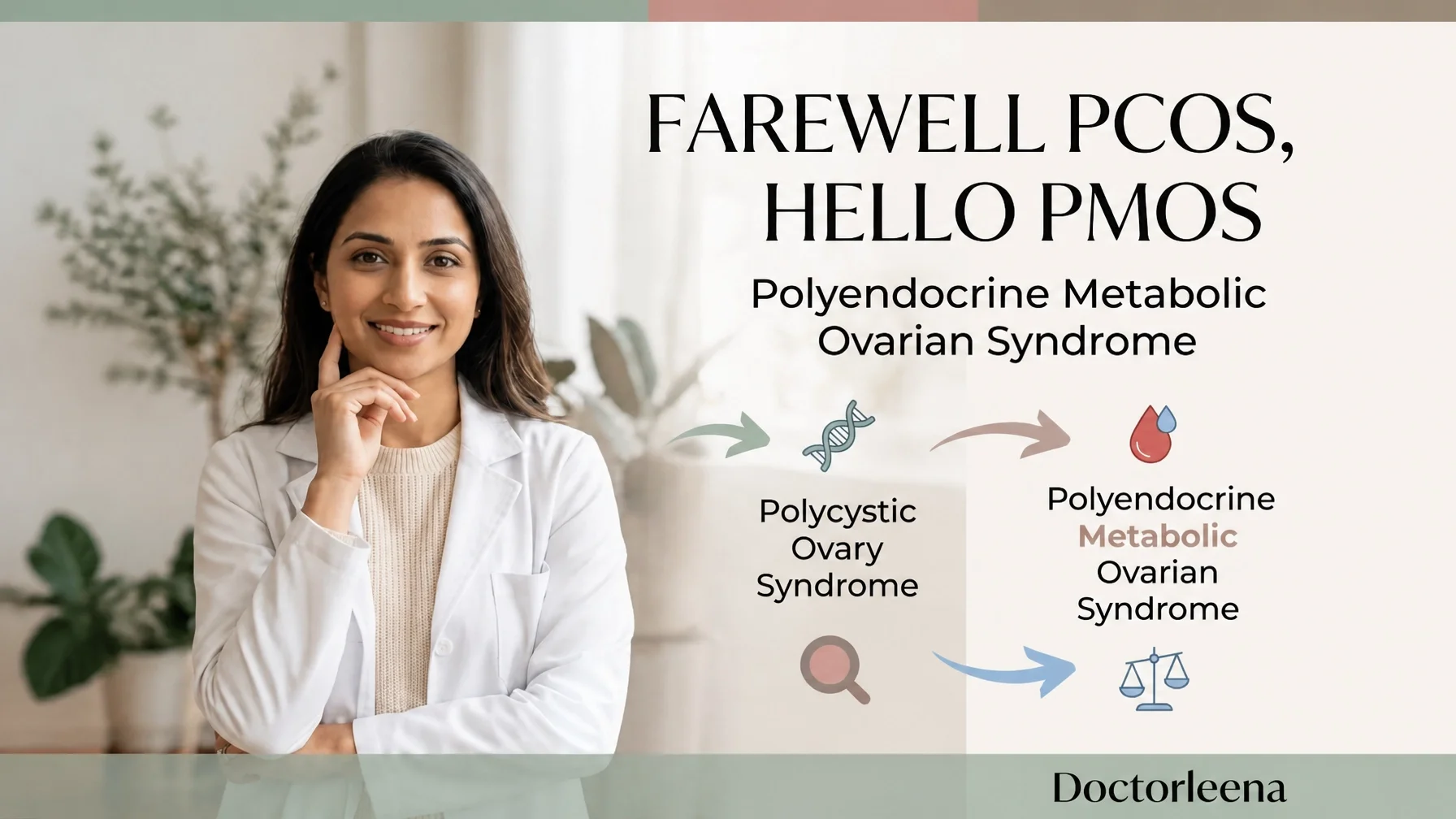
As of this month, May 2026, The Lancet has officially published a landmark articlethat changes everything. We are officially saying goodbye to the outdated term PCOS and welcoming a more accurate, empowering name: PMOS, or Polyendocrine Metabolic Ovarian Syndrome.
This isn’t just a fancy linguistic update. It is a fundamental shift in how we understand, diagnose, and treat a condition that affects millions of women worldwide - especially in the medical community.
The Problem with the "Cyst" Narrative
For decades, the name "Polycystic Ovary Syndrome" has been a source of confusion. The term suggests that the primary issue is cysts on the ovaries. But here’s the thing: many women with the condition don't have cysts at all, and many women with cysts don't have the syndrome.
By focusing so heavily on the ovaries, the old name pigeonholed this complex condition into a "gynecological issue." The "M" in PMOS - which stands for Metabolic - is the real game-changer. It acknowledges that the root of the issue isn't just happening in your reproductive system - it’s happening in your metabolism, your blood sugar regulation, and your endocrine (hormone) signaling.
Breaking Down PMOS (Polyendocrine Metabolic Ovarian Syndrome)
When we look at the new name, Polyendocrine Metabolic Ovarian Syndrome, we finally see a title that respects the complexity of your body:
Polyendocrine: This acknowledges that it’s not just about one hormone. It’s a dance (or sometimes a clash) between insulin, cortisol, androgens (like testosterone), and even your thyroid.
Metabolic: This is the heart of the matter. It highlights the role of insulin resistance and how your body processes energy.
Ovarian: This recognizes that the ovaries are affected by these metabolic shifts, often leading to irregular cycles or ovulation issues.
Why does this matter for you? Because research shows that roughly 70% of women with this condition go undiagnosed. By shifting the focus away from "cysts" and toward "metabolic health," we can catch the signs much earlier, long before they lead to chronic issues like Type 2 diabetes or cardiovascular disease.
The Overlooked Symptoms: It’s More Than Just Acne and Periods
When you search for "PCOS symptoms," you’ll usually see: irregular periods, acne, and excess hair growth. While these are common, they are only the tip of the iceberg.
In my practice, I see women every day who are struggling with symptoms that they never realized were connected to their hormonal/metabolic health. Do any of these sound familiar?
Sweet Cravings: A physical, urgent need for sugar, especially after meals. (You can read more about why we crave sweets here).
Reproductive Issues: Irregular periods and difficulty getting pregnant.
High Androgens: Excess hair growth, severe acne and scalp hair thinning (female-pattern baldness).
Metabolic Changes: Weight gain or difficulty losing weight, obesity and insulin resistance.
Mental health: more prone to mood issues, depression & anxiety.
By identifying these as metabolic signals affecting the endocrine system, we can start to treat the actual cause of the imbalance - something that Ayurveda has understood all along.

The South Asian Community: A Unique Risk
For the South Asian community, the shift to PMOS is particularly vital. South Asian women have a significantly higher risk of metabolic dysfunction and insulin resistance.
In the conventional medical model, many South Asian women are overlooked because they don't fit the "classic" image of PCOS. However, the "Metabolic" focus of PMOS highlights exactly why we need to be more vigilant - and running tests for hormones and insulin resistance long before major symptoms come up. Whether it’s getting into an exercise routine, adjusting diet, cutting out sugar, increasing healthy protein or addressing stress - when we recognize the metabolic roots of PMOS, this allows us to create a plan that actually works for your unique body type.
The Ayurvedic View: Agni and the Metabolic Fire
As a Naturopathic Doctor who also integrates Ayurveda, one way of seeing PMOS is through the lens of Agni. In Ayurveda, Agni is your "metabolic fire." It’s not just about digestion; it’s about how your body transforms food, thoughts, and environment into energy and tissue. When your Agni is low (Manda agni), you begin to accumulate Ama (metabolic toxins). From an Ayurvedic perspective, PMOS is a sign that your metabolic fire has been dampened. This leads to the "heaviness" associated with the condition: weight gain, lethargy, and the "clogging" of the channels (Srotas) that govern your hormones. Healing PMOS isn't about "fixing" your hormones- it’s about rekindling your fire and your body’s innate intelligence. When we strengthen Agni, your body naturally begins to clear the metabolic "sludge," allowing your hormones to communicate clearly once again. You can explore more about these ancient hormonal insights here.
Taking the Next Step
The change from PCOS to PMOS is more than just a headline in a medical journal. It is an invitation for you to stop blaming your "cysts" and start supporting your metabolism.
If you’ve been feeling unheard or if you’ve been "doing all the right things" but still feel stuck, it might be time to look at your health through this new metabolic lens. You don't have to navigate this alone. Whether you are curious about naturopathic medicine or looking for a deeper dive into Ayurvedic self-care, the answers are within reach.
Summary of Key Takeaways:
PMOS stands for Polyendocrine Metabolic Ovarian Syndrome: a more accurate name than PCOS.
The shift highlights that metabolism is the root cause, not just "cysts."
70% of cases are currently undiagnosed because we’ve been looking for the wrong things.
South Asian women have a unique metabolic risk profile that requires attention.
Agni (Metabolic Fire) is a key Ayurvedic concept for healing PMOS.
Are you ready to stop managing symptoms and start activating your body’s own intelligence? Let's move from confusion to metabolic clarity.
To learn more about how we can support your journey with PMOS, visit www.doctorleena.ca and explore our blog for more educational resources.
Join me on instagram: https://www.youtube.com/@Dr.Leena.Ayurveda
Join me on youtube: https://www.youtube.com/@Dr.Leena.Ayurveda
******
About Dr. Leena Sripada
Dr. Leena Sripada is a Naturopathic Doctor and Ayurvedic Practitioner who has a focus on helping women align their bodies with nature’s wisdom. Through her integrative practice and her unique Align & Thrive with Ayurveda™ program, she combines modern science with ancient tradition to help you find lasting hormonal and metabolic balance.